Lightspark forfinancial apps
Replace fragmented vendors with one branded account for dollars, cards, stablecoins, local rails, and Bitcoin.
Global Accounts
(0, 0, 0)
The problem
Financial apps own the relationship. The stack underneath is still fragmented.
Wallets, neobanks, remittance apps, savings products, and consumer finance apps already have something every financial provider wants: user trust, financial intent, and repeated money behavior. Users open the app to store, move, convert, send, spend, or manage money.
Underneath that unified experience, the stack is often split across vendors. One partner issues cards. Another handles crypto. Another handles off-ramps. Another supports cross-border movement. Another owns wallet controls or custody. Each vendor solves a piece, but each boundary becomes a product constraint, an operational queue, and a place where economics leave the app.
The global account
A complete dollar account. Embedded in your app.
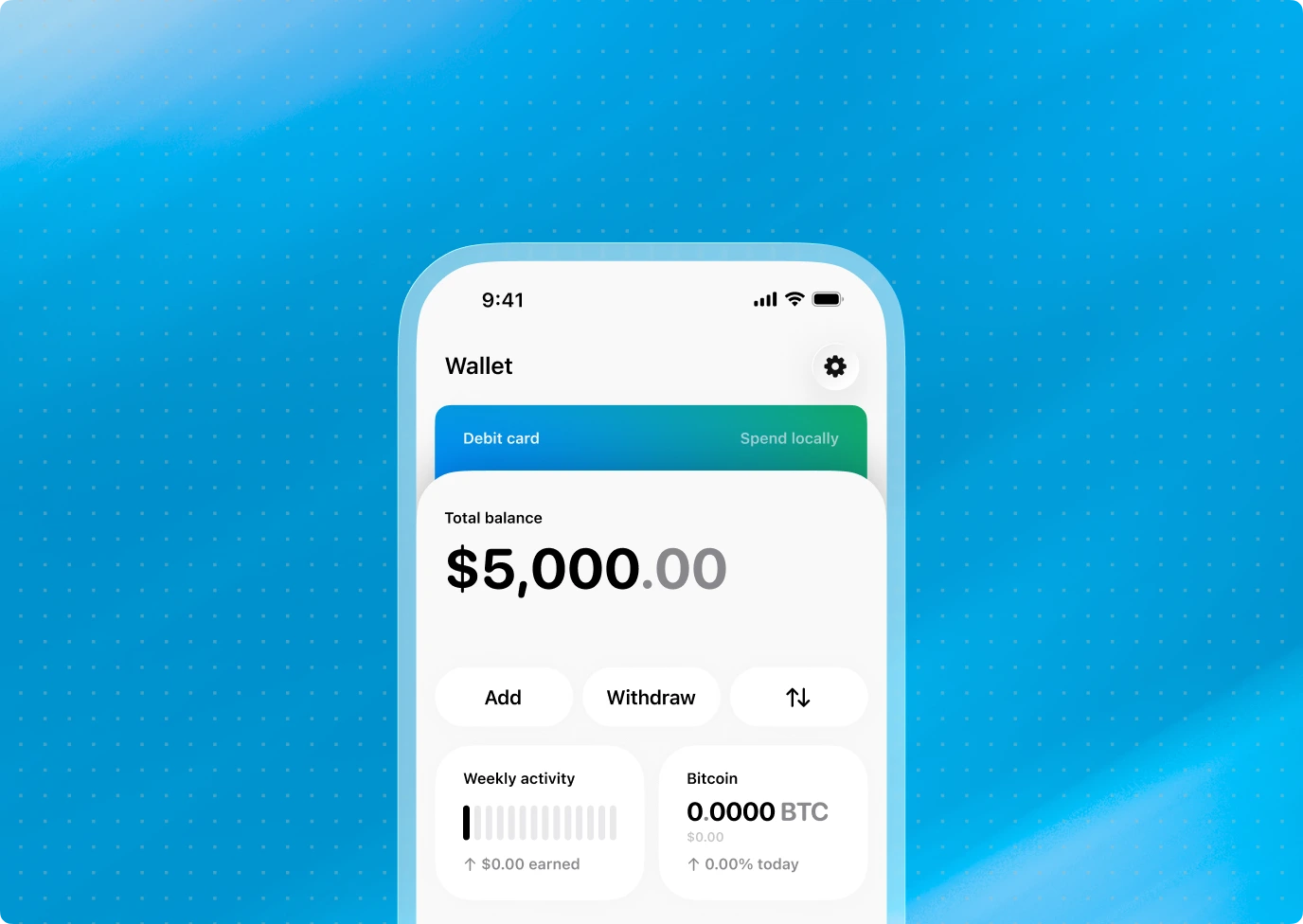
Global Accounts gives financial apps a branded dollar account inside the existing product experience. It is the durable account layer users can hold, spend, cash out from, convert through, and move across supported rails.
The account becomes the center, not another rail in the stack. Stablecoins, local cash-out, cards, Bitcoin, and controls become behaviors around one account relationship.
Give users a durable dollar account inside your app, with Lightspark powering the wallet and account infrastructure underneath.
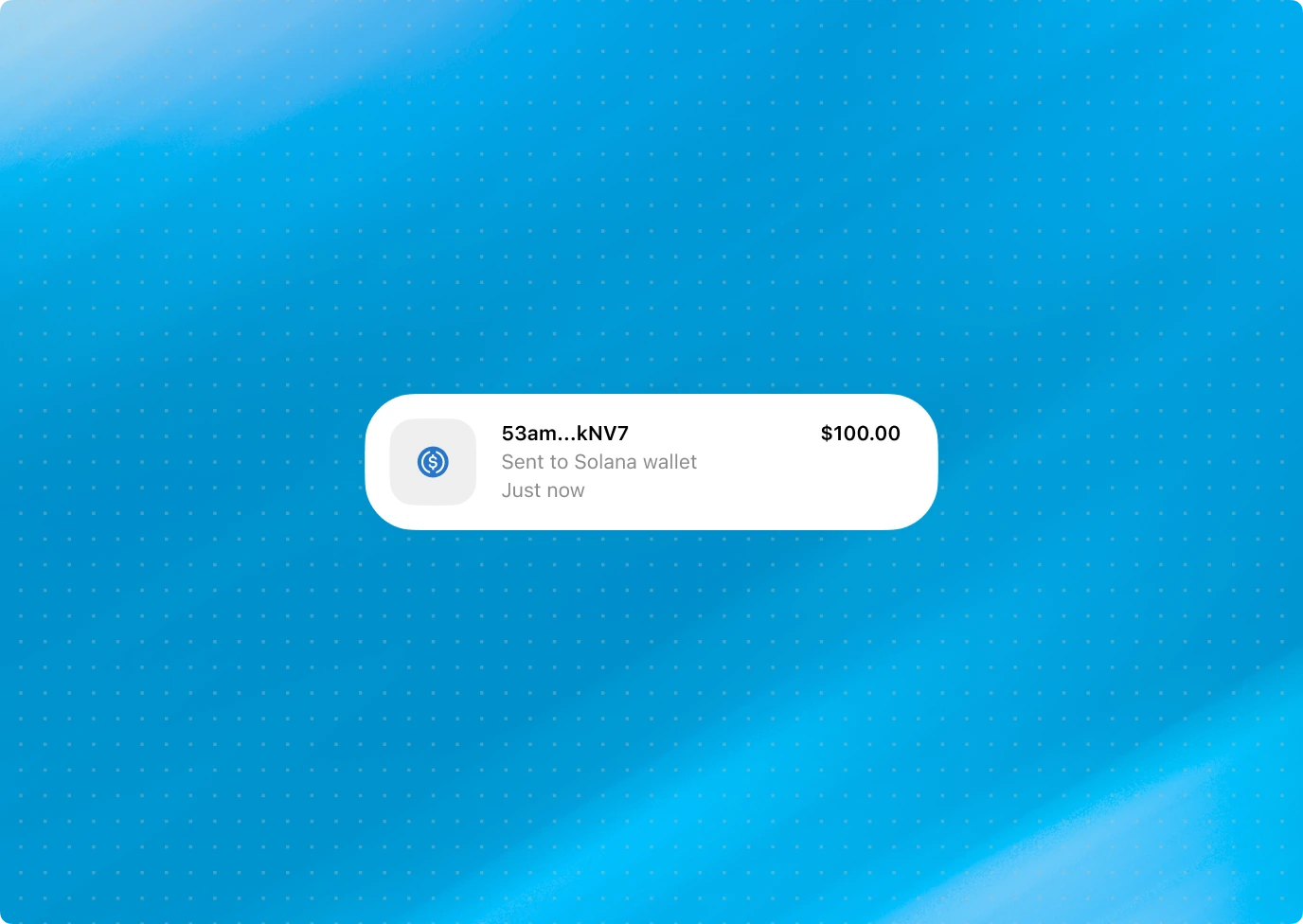
Move dollars into USDC, USDT, USDB, and other supported stablecoins across Base, Solana, Ethereum, Spark, Arbitrum, Tron, and more.
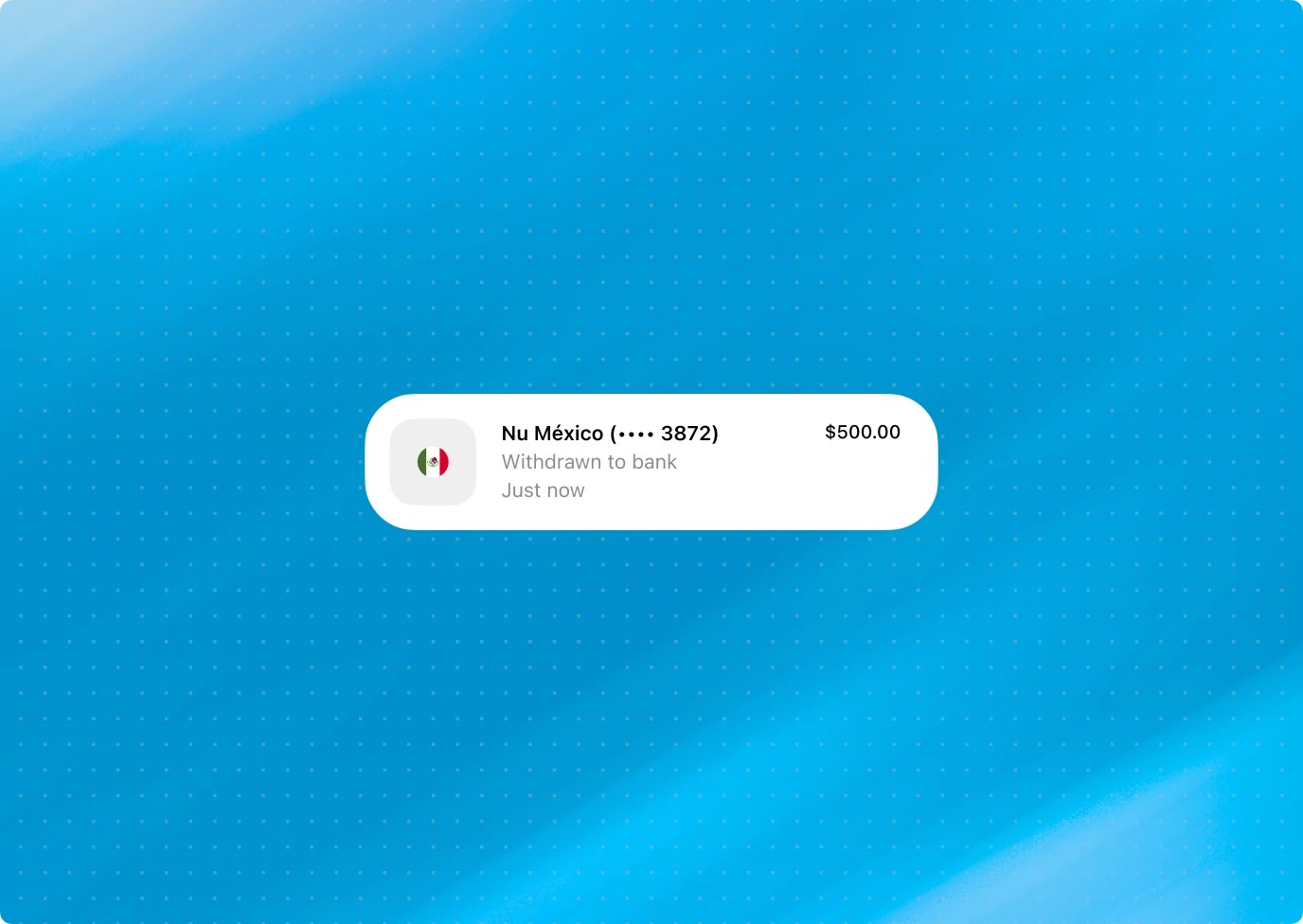
Support local and global banking rails, including PIX, UPI, SEPA, FPS, and more corridors coming online.
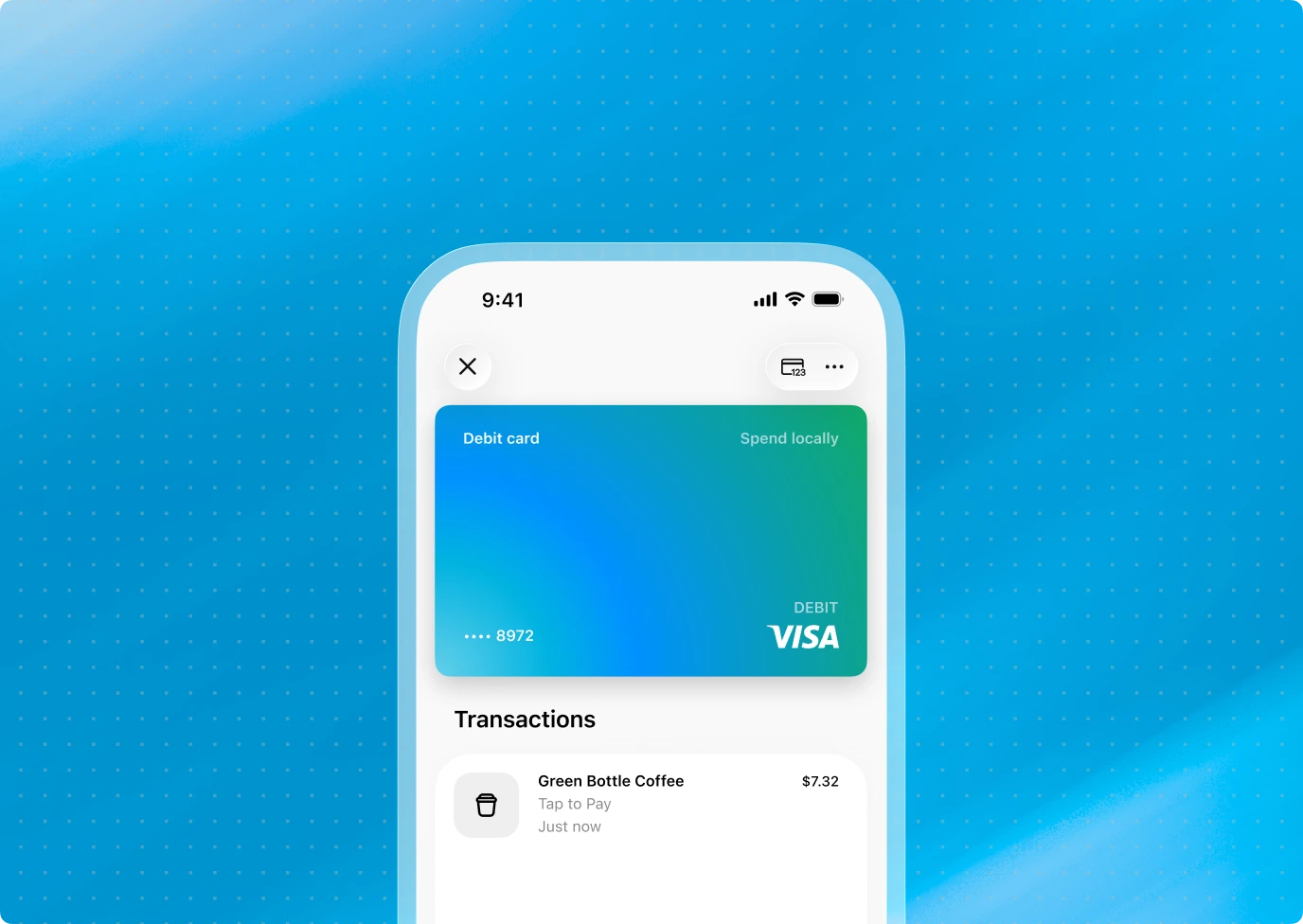
Let users spend from the same balance with virtual or physical cards, locally and globally, anywhere Visa is accepted.
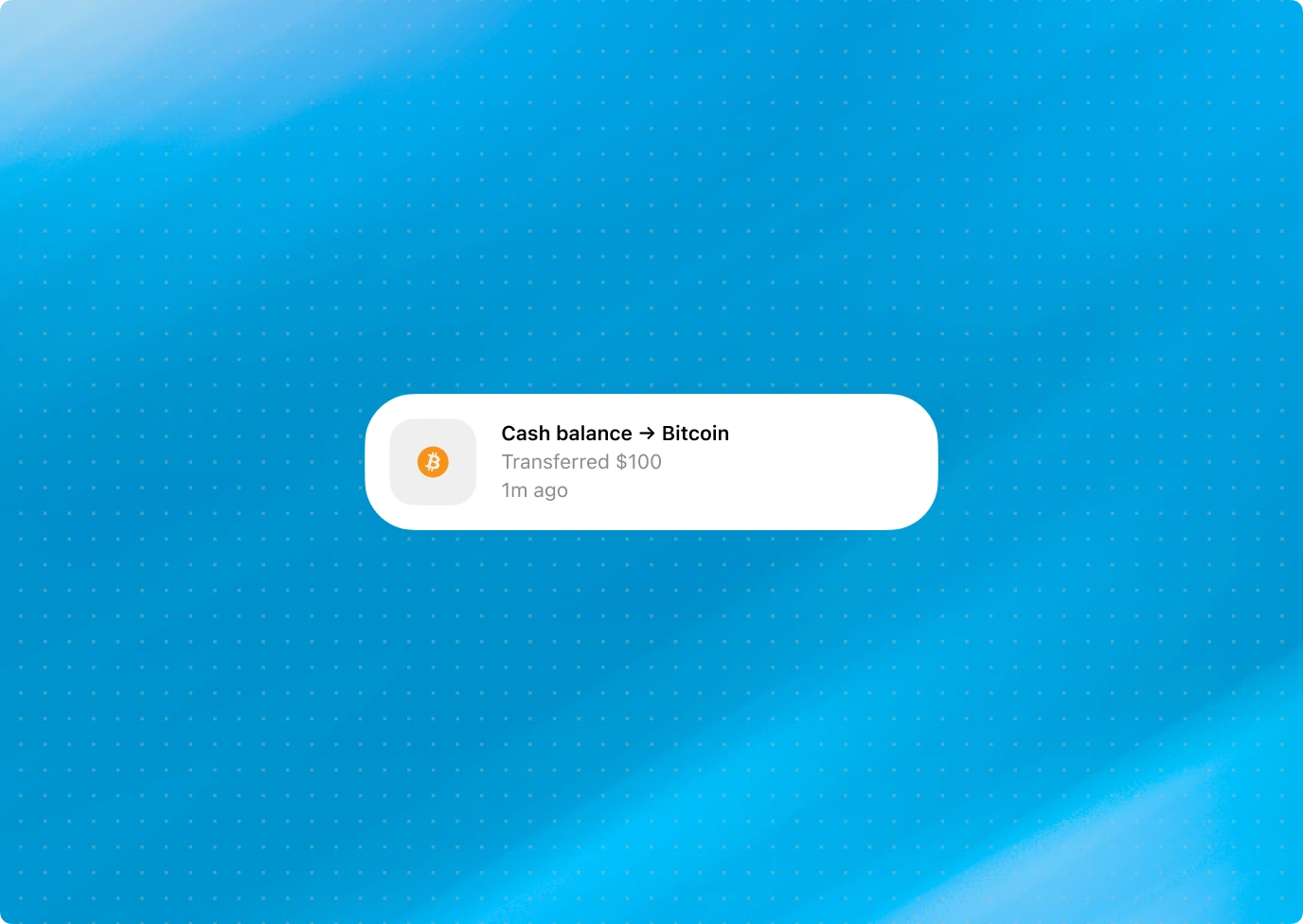
Because Global Accounts run on Spark, users can hold Bitcoin alongside dollars and swap instantly without leaving the account.
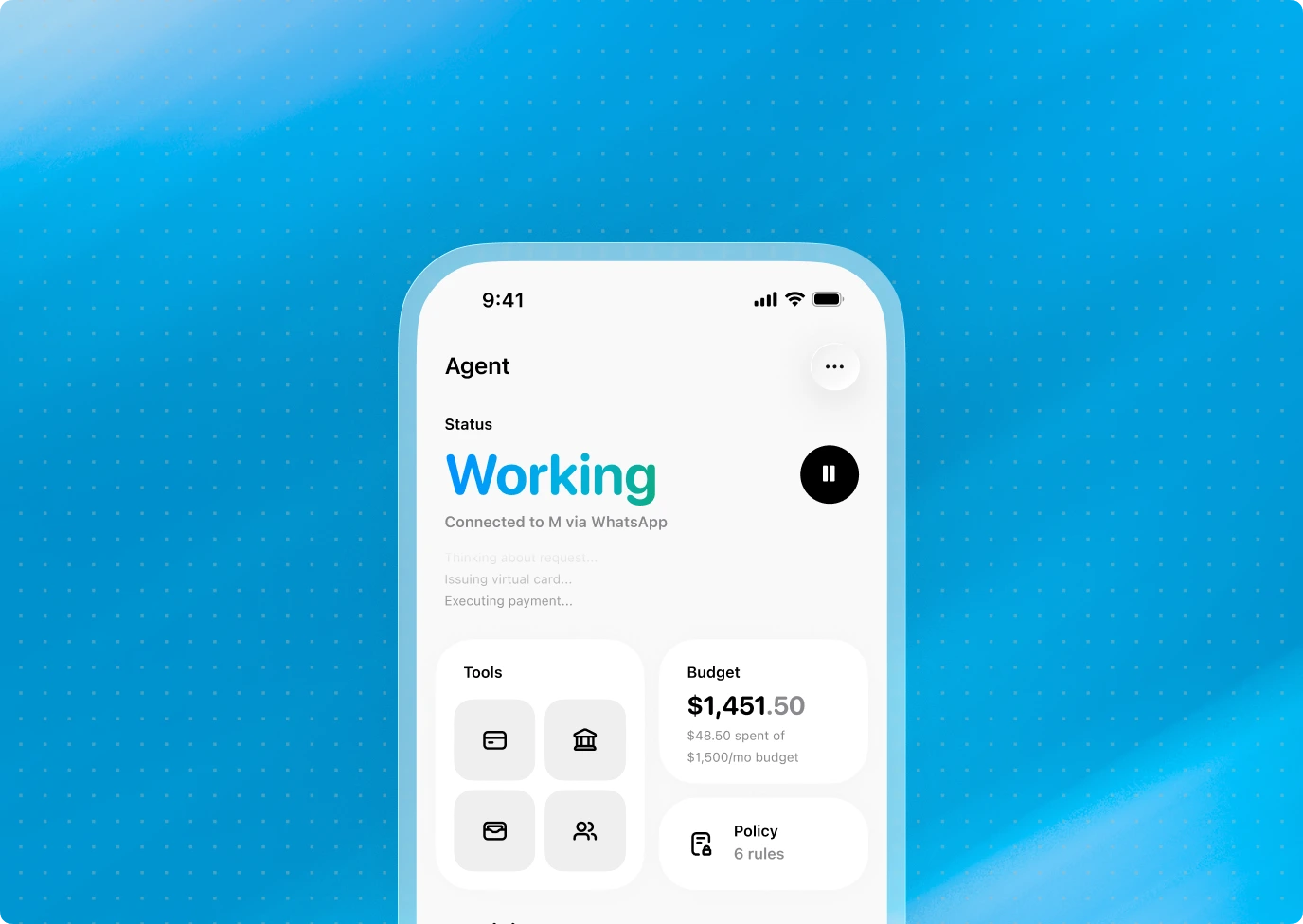
Set approval thresholds, rail permissions, budgets, and agent scopes so money can move through policy instead of manual exceptions.
The economics
Users can hold, spend, and cash out. You own the economics.
Fragmented infrastructure fragments the business model. Cards monetize spend somewhere else. FX spreads accrue to a corridor provider. Crypto conversion happens in another product. Balances leave before they can deepen the relationship.
Accounts let the economics compound inside the app. Balances can generate reserve rewards. Cards generate interchange. Foreign exchange carries margin. Bitcoin trading carries spread. Cross-border movement, local cash-out, and stablecoin interoperability become account features instead of vendor handoffs.
For financial apps, the strategic shift is simple: the account is no longer a thin balance in front of someone else's rails. It is the operating layer where more of the user's financial life can happen.
Security & compliance
Ship the account layer. Not a new vendor maze.
Replacing a vendor stack only works if the control model gets clearer. Financial apps need account infrastructure that can be evaluated by product, compliance, risk, security, and operations teams without turning every new rail into a new build.
Global Accounts packages the hard parts behind the account: wallet authorization, regulated movement, supported rails, compliance operations, webhooks, and traceable account activity. The accounts themselves are self-custodial and built on Spark. Neither Lightspark nor the financial app can unilaterally move user funds.
Outbound movement requires the customer to authorize from their wallet. Your app can design the flow, limits, and approvals, but the account owner stays in the loop when funds leave.
Global Accounts are built on Spark wallets, so account control is enforced at the wallet layer. Neither Lightspark nor the financial app can unilaterally move user funds.
Lightspark Payments is registered with FinCEN as a money services business and holds money transmission licenses or registrations where required for Grid Transaction Services, with banking and payment partners behind the regulated rails.
Lightspark handles the operational work teams do not want to rebuild across every rail: identity checks, business verification, sanctions screening, risk review, and the compliance requirements attached to supported corridors.
The infrastructure is backed by Lightspark's security program, audited under SOC 2 Type II with NIST CSF–aligned controls, so teams can evaluate the account layer like enterprise financial infrastructure.
You own the brand, UX, account rules, approval flows, limits, and customer experience. Lightspark powers the account and regulated movement underneath.
Standard API objects and webhooks keep funding, withdrawals, card activity, quotes, and settlement status visible to your team instead of scattering money movement across vendor dashboards.
Integration
One integration. Test the account before replacing the stack.
This does not need to start as a rip-and-replace program. Your team starts with one API, a sandbox, and the normal objects you would expect: customers, accounts, quotes, transactions, and webhooks. Create the customer, fetch the Global Account, fund it in sandbox, and test the full request shape before production money moves.
The hard parts are already packaged: account provisioning, supported rails, wallet authorization, simulated funding, webhook events, and signed withdrawals. The docs give your team the implementation path: OpenAPI, copyable examples, sandbox test credentials, Postman collections, and AI-readable pages.
Account controls
As money work becomes agentic, the account needs policy.
Financial apps are moving from passive balances to active money management: bill pay, savings movement, remittance planning, card controls, FX decisions, crypto conversion, and account monitoring. Agents will make more of that work preparatory and automated.
The risk is not automation itself. The risk is automation without account boundaries. If an agent can suggest, prepare, or queue money movement, the account needs scoped access, approval thresholds, rail permissions, and an audit trail.
The agent gets a pocket, not the keys. Policy decides what is allowed, the account enforces it, and the user stays in control.
Closing
Financial apps already have trust. Now they can own more of the account.
Users come to financial apps with intent. They want to hold money, move it, convert it, spend it, cash out, and keep control. The better that account becomes, the more reasons they have to keep the relationship inside your product.
That only works if the account layer is unified. Not one vendor for every behavior. One branded account that can support the behaviors users already expect from modern money.
Financial apps already own the relationship. Give them an account layer worthy of it.
Your brand. Your economics. One integration.