Lightspark formarketplaces
Move beyond payouts. Give sellers a branded account that holds, spends, and moves the money they earn with you.
Global Accounts
(0, 0, 0)
The problem
Marketplaces own the transaction. Then the account relationship leaves.
Marketplaces coordinate the hard parts of commerce: discovery, trust, inventory, pricing, payments, disputes, seller reputation, and buyer confidence. The sale happens because your product made the market work.
Then settlement runs, and the next financial relationship happens somewhere else. A processor moves the payout. A bank or wallet holds the balance. A card issuer monetizes spend. An FX provider takes the spread. The marketplace created the transaction, but another company owns what happens after the sale.
The global account
Make the seller balance useful before it leaves.
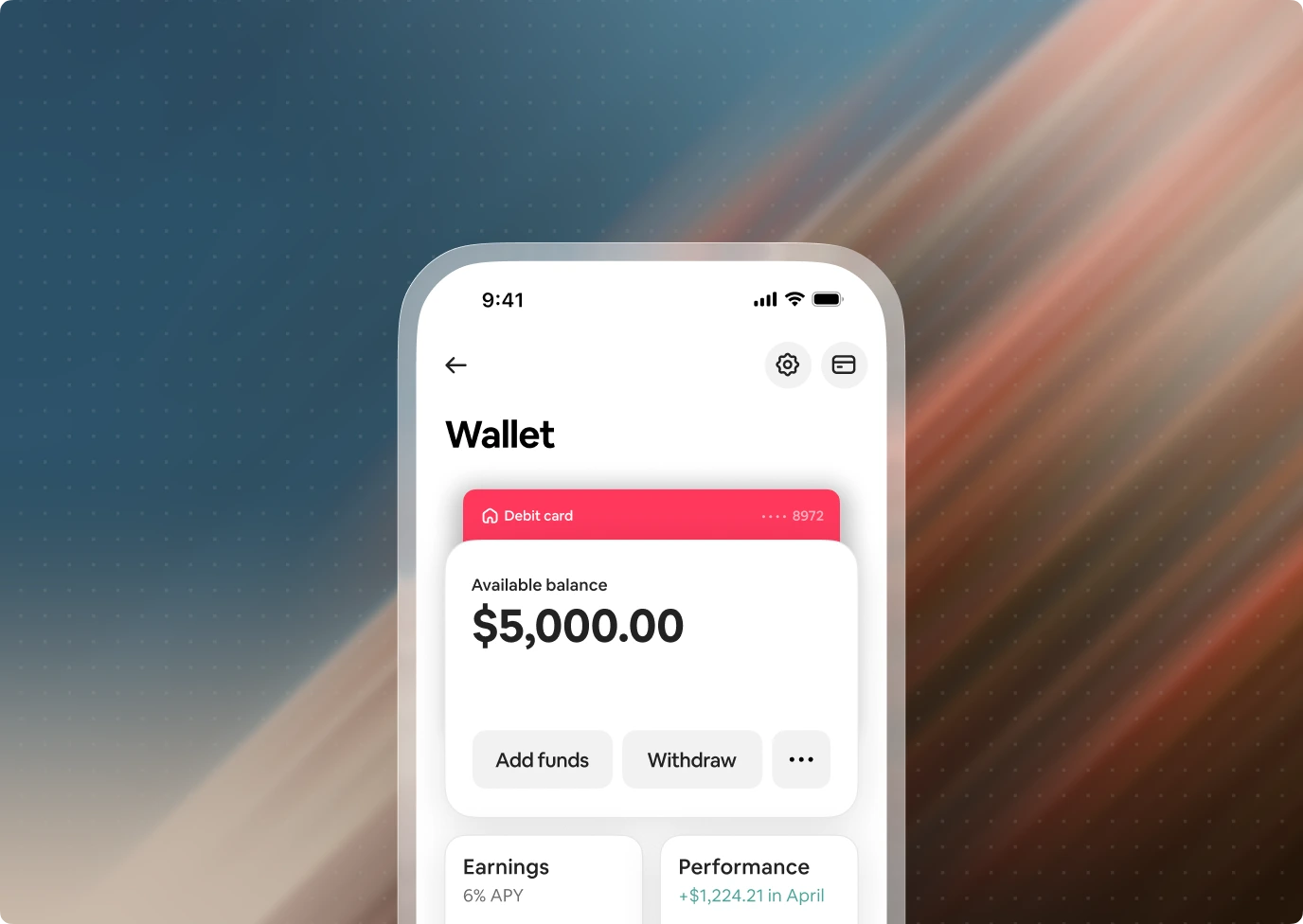
Global Accounts changes what settlement can become. Seller proceeds land in a branded dollar account inside your marketplace, ready to hold, spend, cash out, convert, or move across supported rails.
This is not just faster payouts. It is an operating account for sellers: the place where marketplace revenue becomes inventory, supplier payments, local cash, card spend, and working capital for the next sale.
Seller proceeds land in a branded dollar account inside your marketplace, with Lightspark powering the account infrastructure underneath.
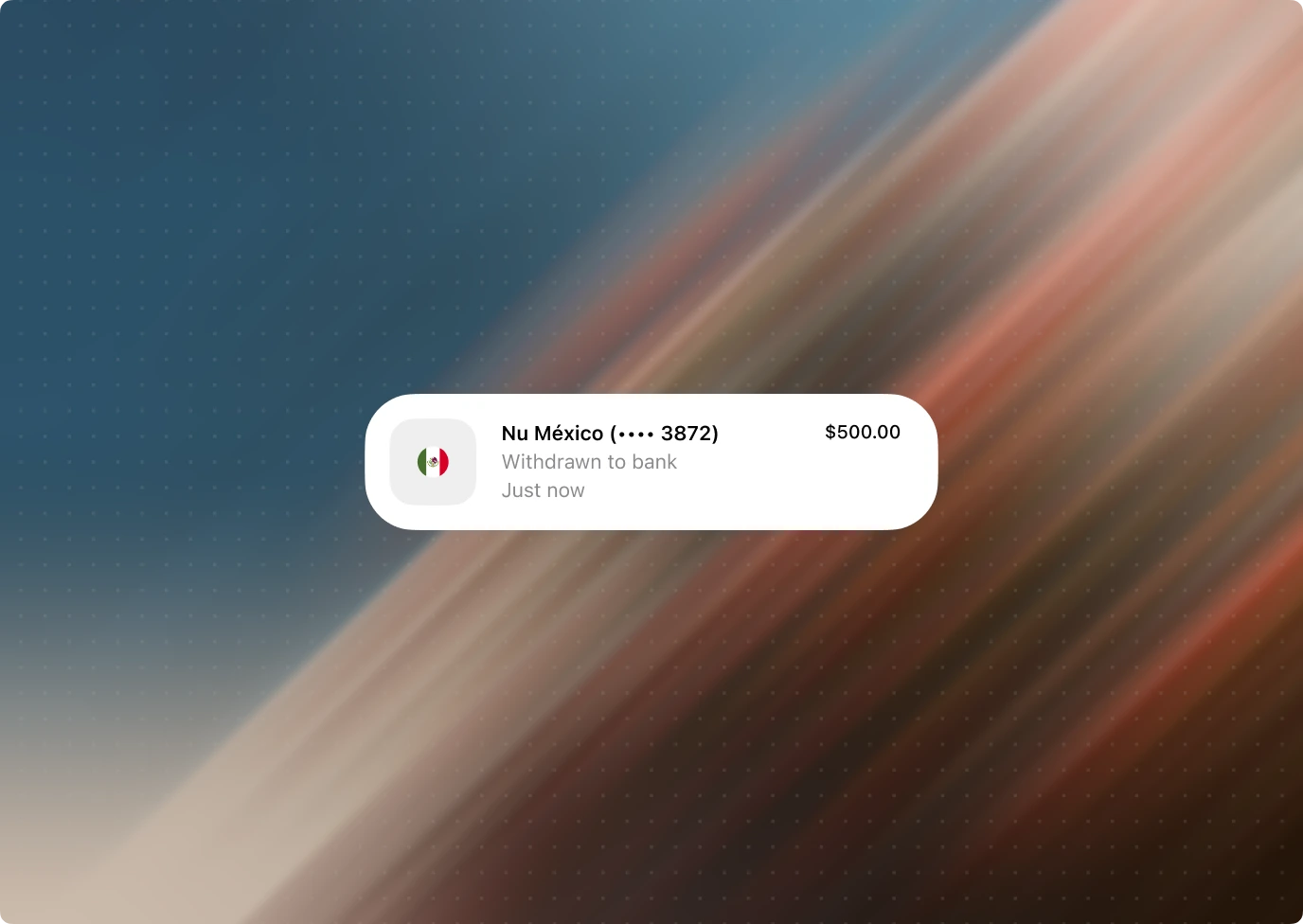
Sellers can move proceeds to local and global banking rails, including PIX, UPI, SEPA, FPS, and more corridors coming online.
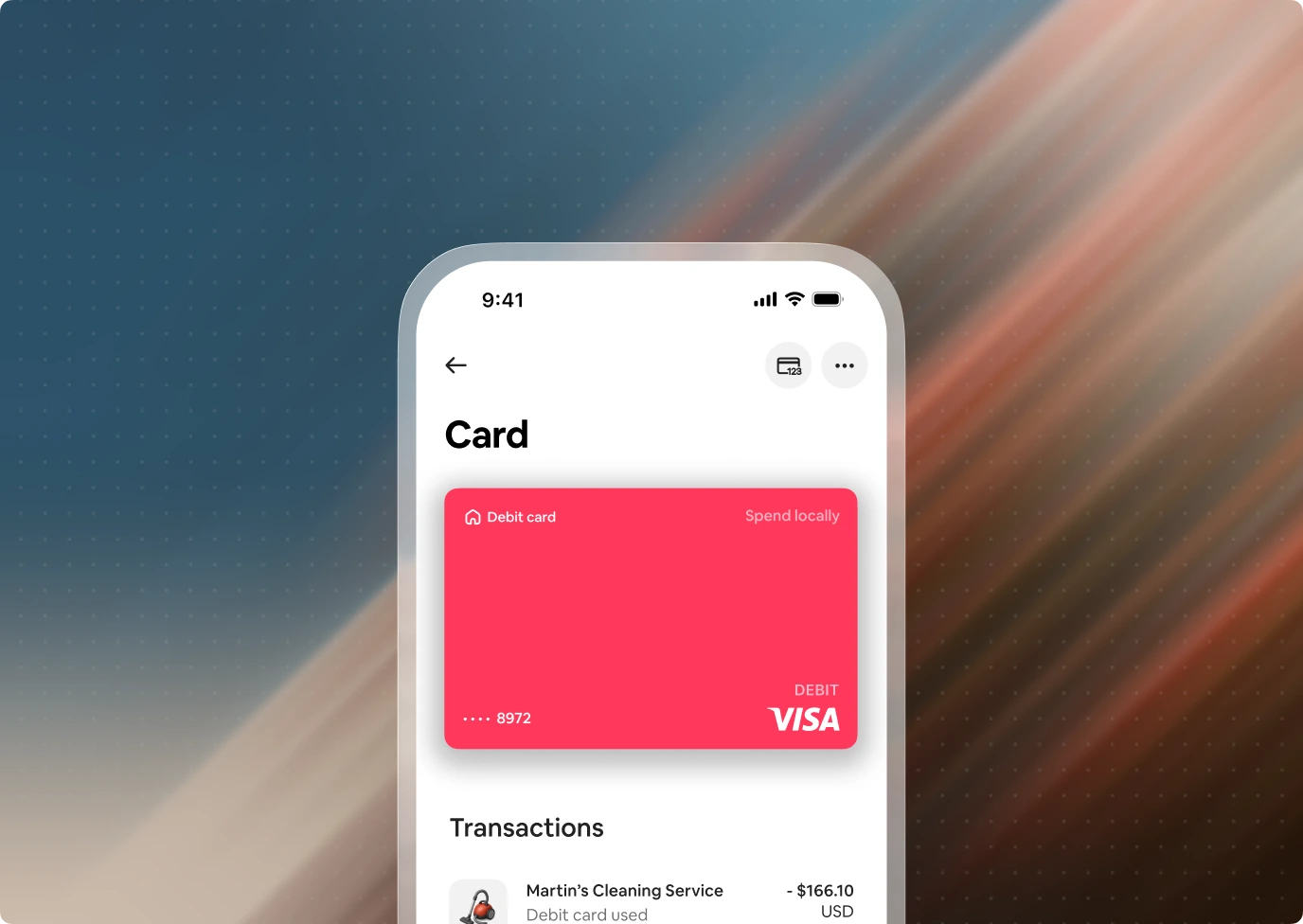
Sellers can spend from their balance on inventory, shipping, supplies, ads, software, and day-to-day operations anywhere Visa is accepted.
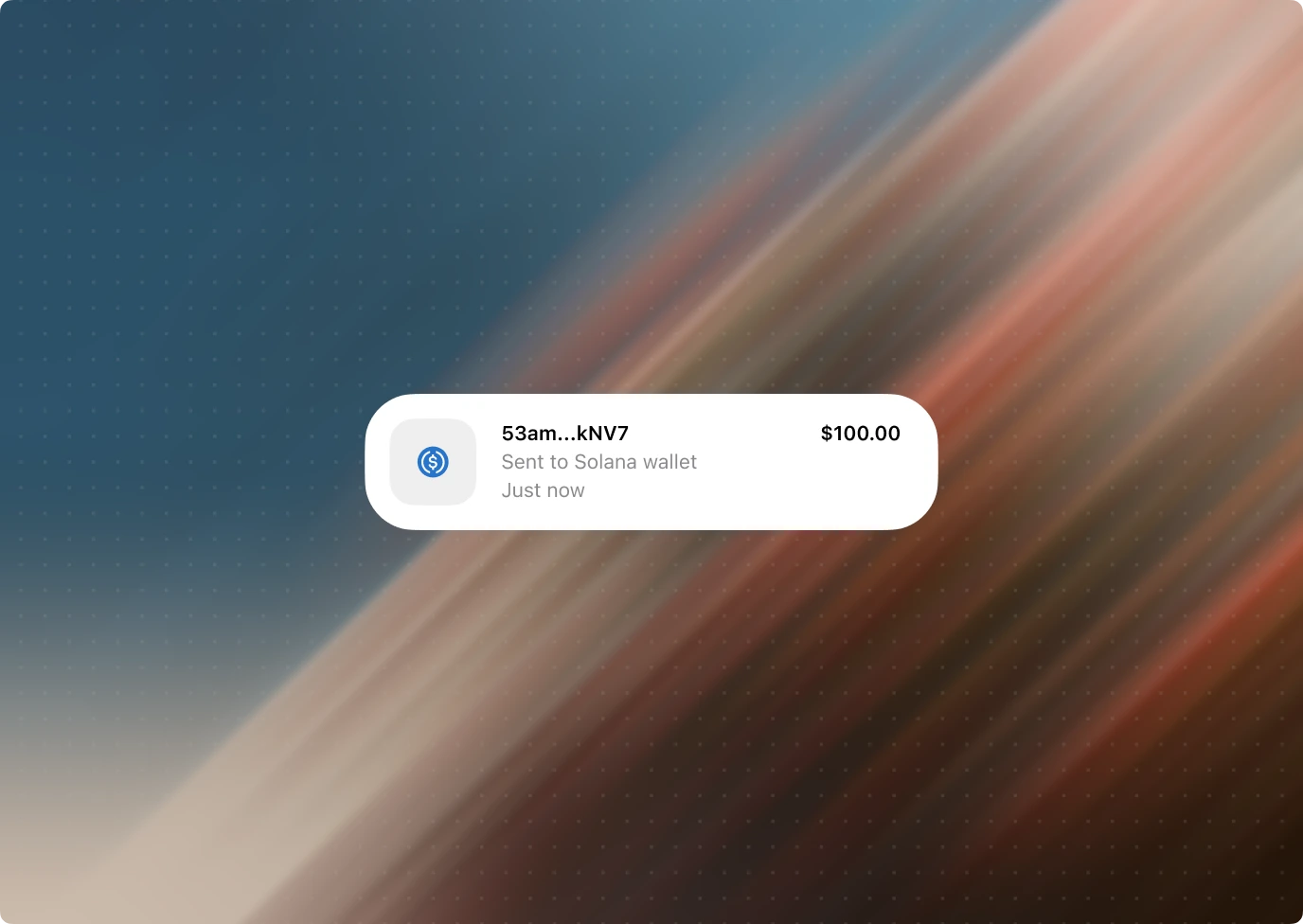
Move dollars into USDC, USDT, USDB, and other supported stablecoins across Base, Solana, Ethereum, Spark, Arbitrum, Tron, and more.
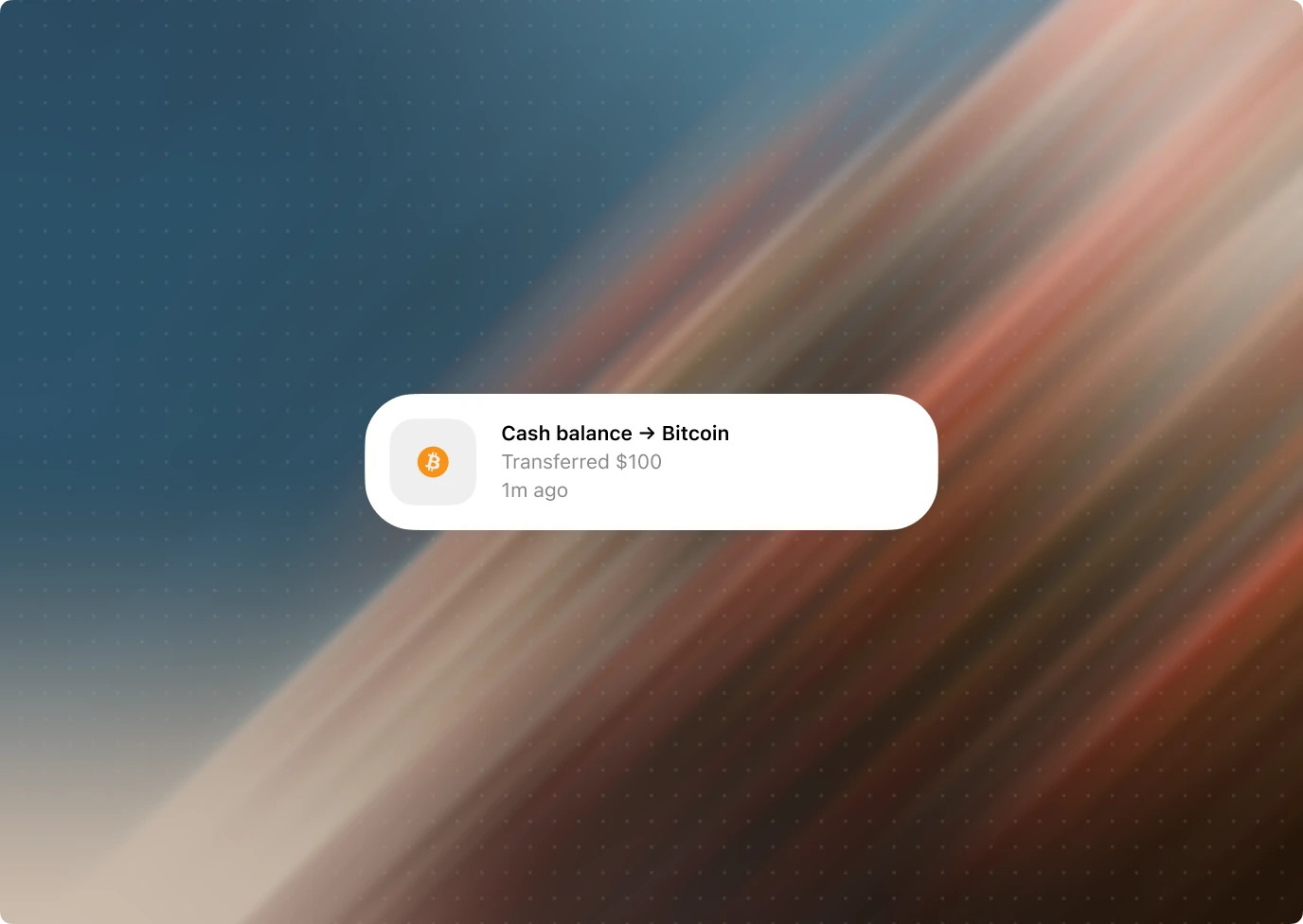
Because Global Accounts run on Spark, sellers can hold Bitcoin alongside dollars and swap instantly without leaving the account.
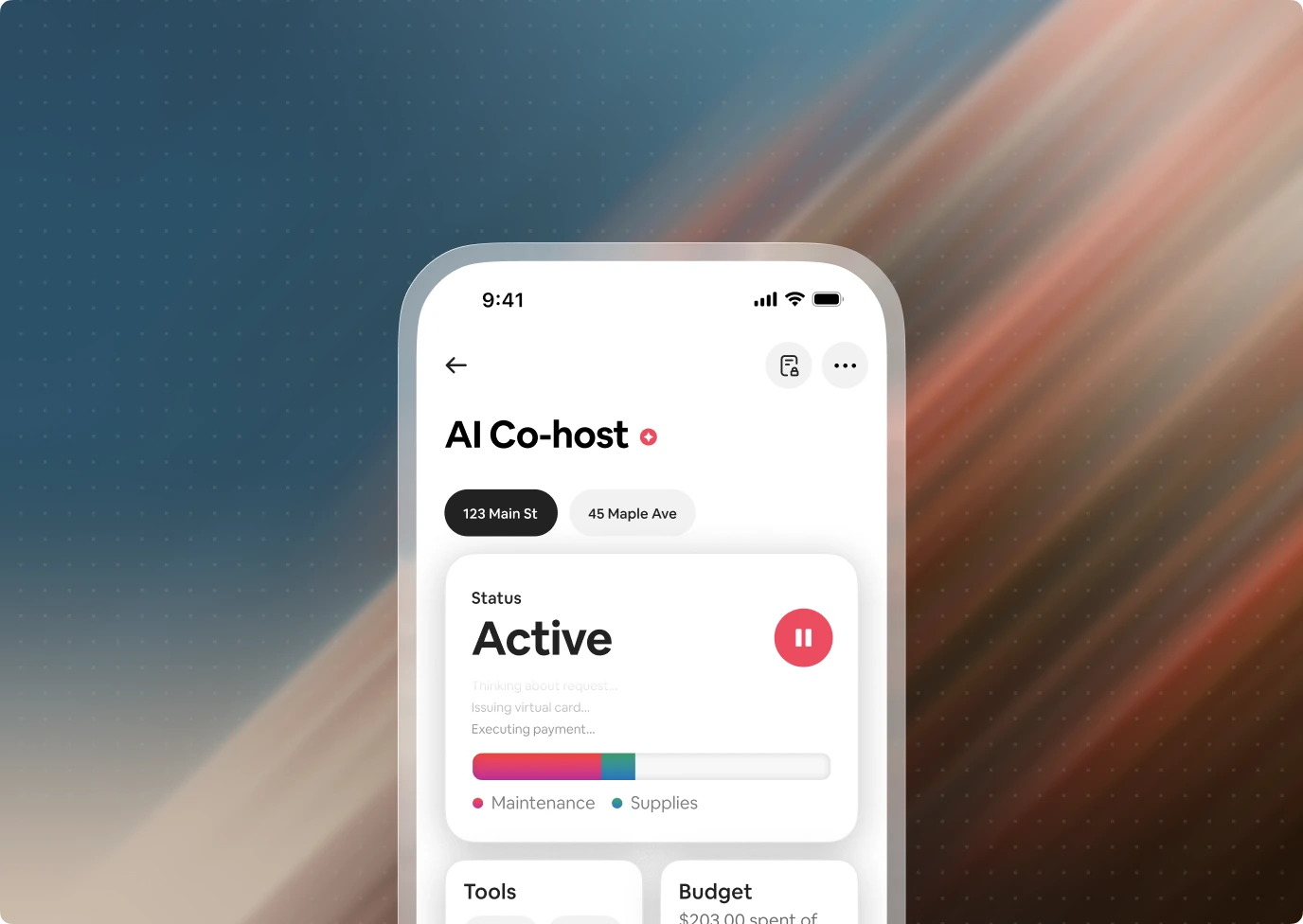
Give agents narrow budgets, approved suppliers, allowed rails, and approval thresholds so they can help run seller operations without holding the keys.
The economics
Sellers can hold, spend, and cash out. You own the economics.
Most marketplaces still treat seller settlement as an exit. The platform earns on the transaction, pays fees to move funds out, and lets the balance relationship accrue elsewhere.
Accounts change the business model after the sale. Balances can generate reserve rewards. Cards generate interchange. Foreign exchange carries margin. Bitcoin trading carries spread. Supplier spend, local cash-out, and cross-border movement become part of the marketplace product instead of a reason to leave it.
Seller retention improves when the account solves real operating work. The more useful the account becomes, the more natural it is for proceeds to stay where the seller already earns.
Security & compliance
Ship the account. Not the bank behind it.
Shipping seller accounts used to mean shipping the regulated machinery underneath: money transmission, KYC, KYB, sanctions screening, custody, dispute handling, security review, and partner operations. Most marketplaces looked at that list and decided the core marketplace was a better place to spend their energy. Global Accounts carries that side of the equation so your team does not have to.
The accounts themselves are self-custodial and built on Spark. Neither Lightspark nor the marketplace can unilaterally move seller funds. That makes the policy and approval model real, with boundaries enforced by architecture instead of trust.
Outbound movement requires the seller to authorize from their wallet. The marketplace can design the flow, limits, and approvals, but the account owner stays in the loop when funds leave.
Global Accounts are built on Spark wallets, so account control is enforced at the wallet layer. Neither Lightspark nor the marketplace can unilaterally move seller funds.
Lightspark Payments is registered with FinCEN as a money services business and holds money transmission licenses or registrations where required for Grid Transaction Services, with banking and payment partners behind the regulated rails.
Lightspark handles the operational work marketplaces do not want to rebuild: identity checks, business verification, sanctions screening, risk review, and the compliance requirements attached to supported corridors.
The infrastructure is backed by Lightspark's security program, audited under SOC 2 Type II with NIST CSF–aligned controls, so teams can evaluate the account layer like enterprise financial infrastructure.
You own the brand, UX, account rules, approval flows, and seller experience. Lightspark powers the account and regulated movement underneath.
Standard API objects and webhooks keep funding, withdrawals, card activity, quotes, and settlement status visible to your team instead of hiding seller money movement in a black box.
Integration
One integration. Live in weeks, not years.
This is not a multi-year banking build. Your team starts with one API, a sandbox, and the normal objects you would expect: customers, accounts, quotes, transactions, and webhooks. Create the seller, fetch the Global Account, fund it in sandbox, and test the full request shape before production money moves.
The hard parts are already packaged: account provisioning, supported rails, wallet authorization, simulated funding, webhook events, and signed withdrawals. The docs give your team the implementation path: OpenAPI, copyable examples, sandbox test credentials, Postman collections, and AI-readable pages.
Agentic operations
Seller operations are becoming agentic. The account needs to keep up.
Sellers already use software to manage listings, inventory, ads, fulfillment, tax prep, and supplier relationships. Agents will make that operational layer more active. They will suggest restocks, adjust campaigns, queue supplier payments, reconcile expenses, and prepare cash-outs.
The risk is not that agents help sellers operate. The risk is letting an agent touch money without policy boundaries, approval flows, or an audit trail. The account is what makes that safe.
The agent gets a pocket, not the keys. Policy decides what is allowed, the account enforces it, and the seller stays in control.
Closing
Marketplaces already help sellers sell. Now they can help sellers operate.
Sellers use your marketplace to create demand, build reputation, and turn inventory or services into revenue. The next product layer is helping them run the money after the sale: paying suppliers, buying inventory, managing FX, spending by card, cashing out locally, and delegating routine operations without giving up control.
That only works if the account lives inside the marketplace. Not as a payout destination. As the operating layer.
Sellers already earn with you. Give them an account worth staying for.
Your brand. Your economics. One integration.