Lightspark forsocial platforms
Move beyond payouts. Give users a branded account that holds, spends, and moves the money they earn from their audience.
Global Accounts
(0, 0, 0)
The global account
Put the account close to the identity that created the balance.
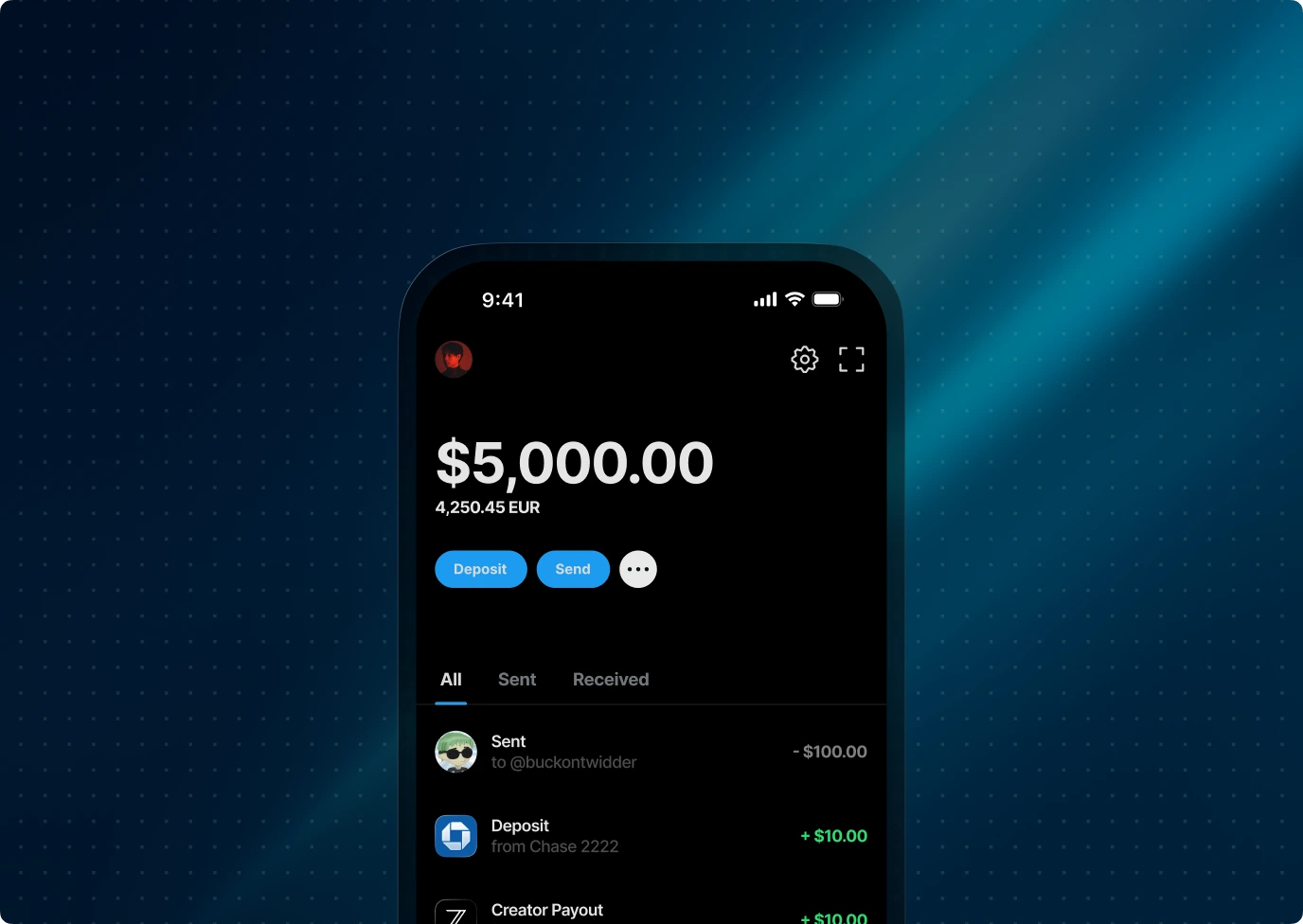
Global Accounts turns monetization into an account layer inside the social product. Earnings, fan commerce proceeds, rewards, and community balances can land in a branded dollar account next to the profile, handle, audience, and graph that gave those dollars meaning.
This is not only a creator payout surface. It is the money layer for social identity: the place where users hold, spend, cash out, convert, and manage the balances created by their network.
Monetization balances live next to the profile, handle, audience, and social graph that created them, with Lightspark powering the account infrastructure underneath.
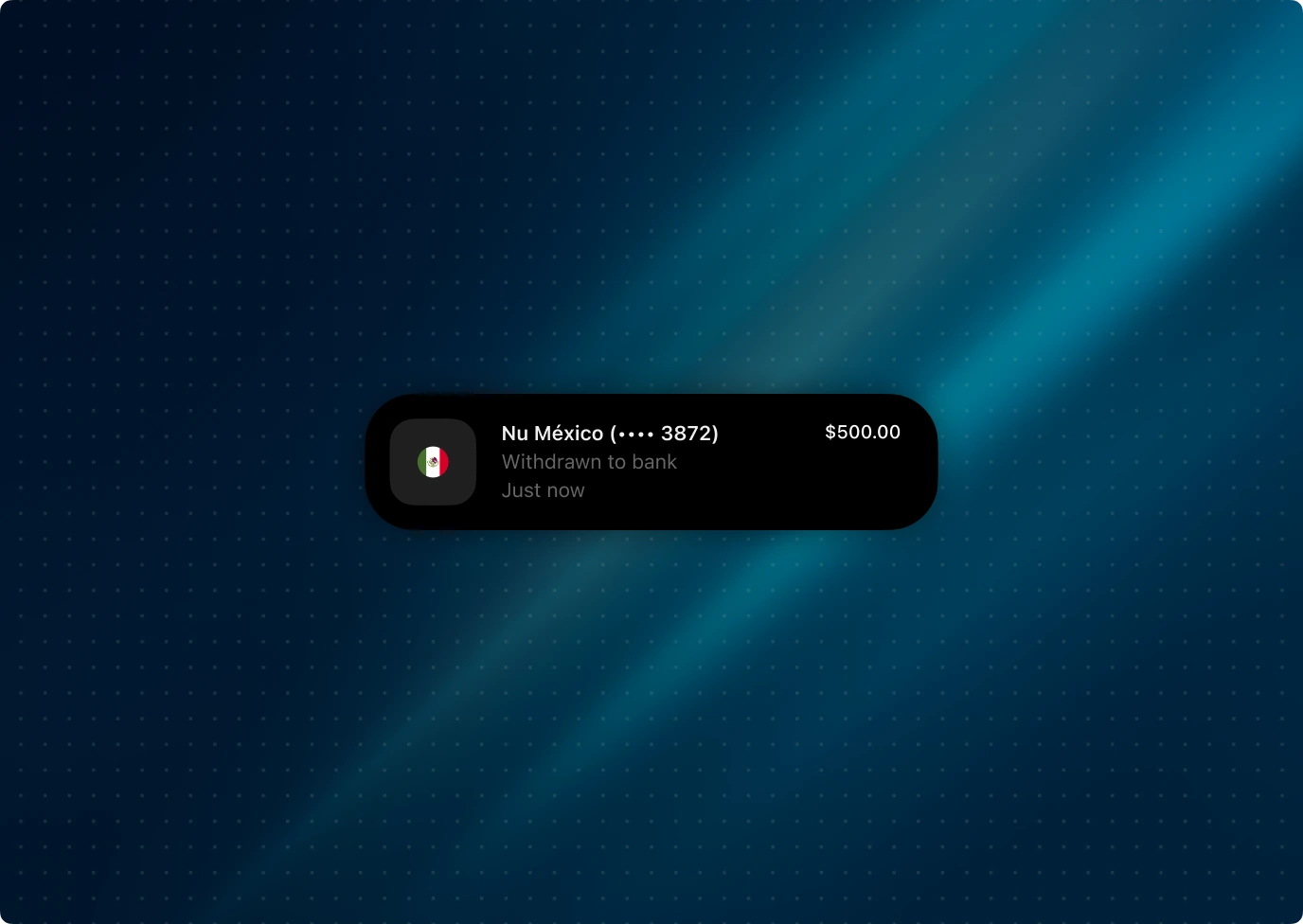
Users can move earnings and fan commerce proceeds to local and global banking rails, including PIX, UPI, SEPA, FPS, and more corridors coming online.
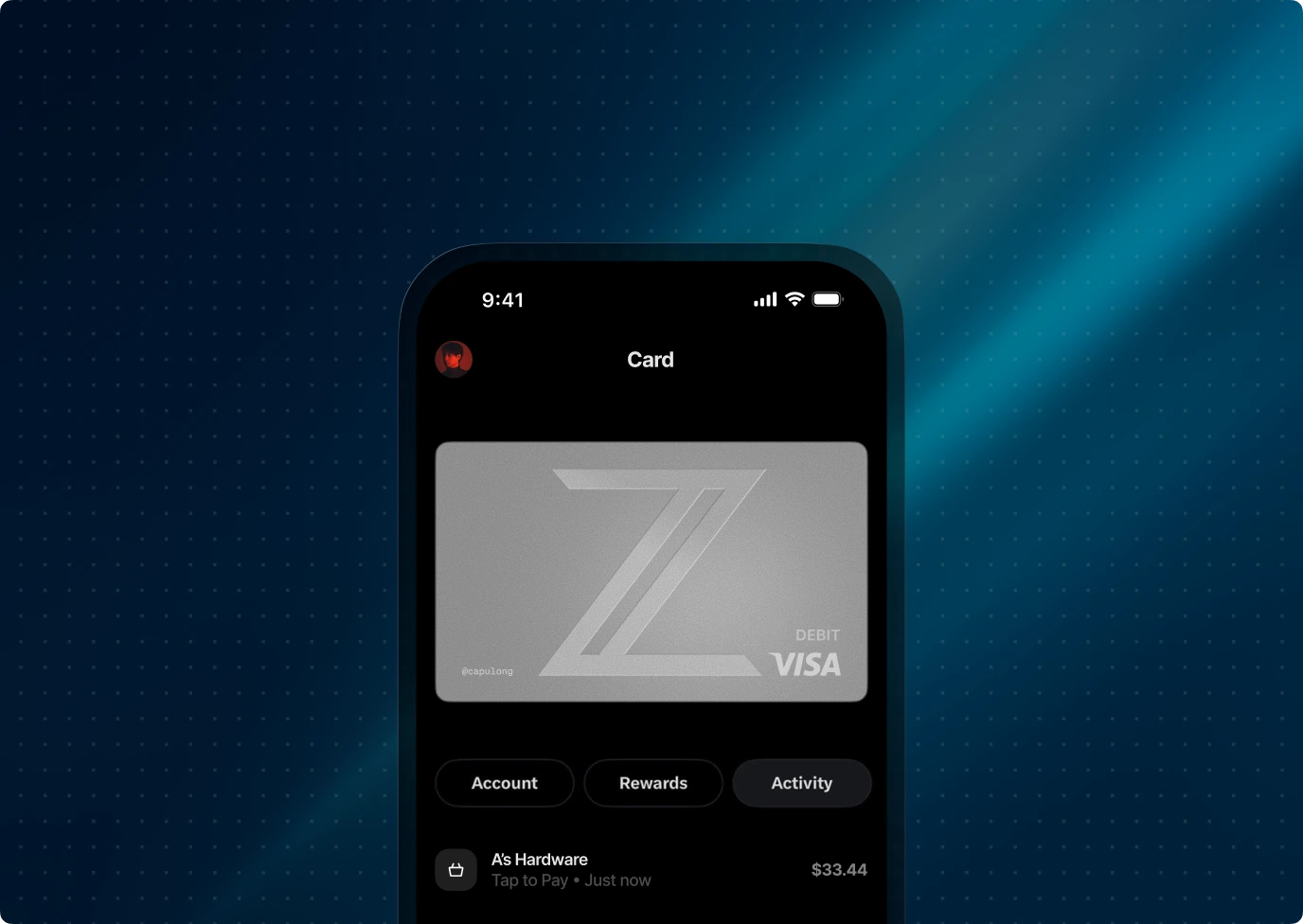
Users can spend from their social balance with virtual or physical cards, turning audience income into everyday utility without leaving your ecosystem first.
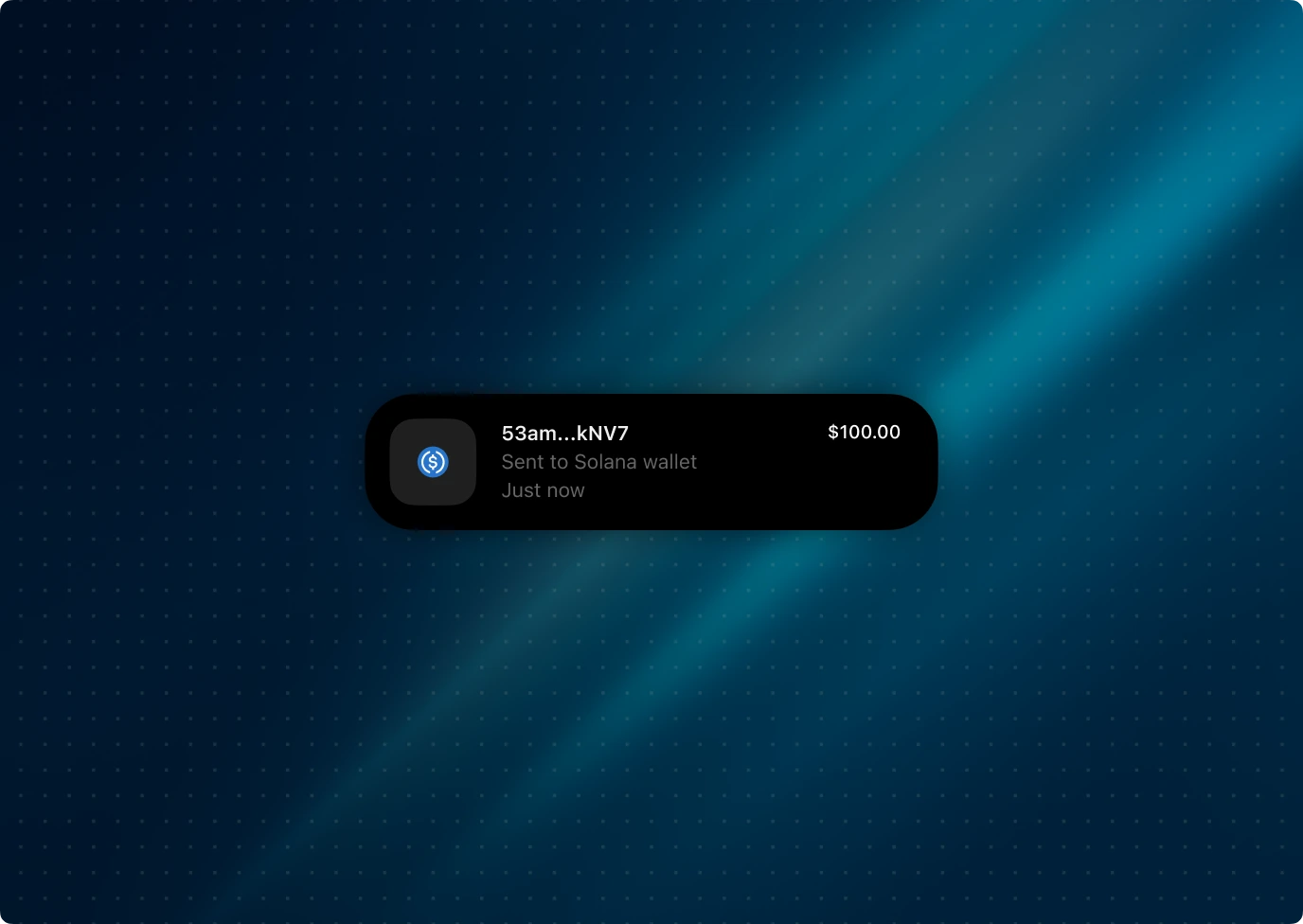
Move dollars into USDC, USDT, USDB, and other supported stablecoins across Base, Solana, Ethereum, Spark, Arbitrum, Tron, and more.
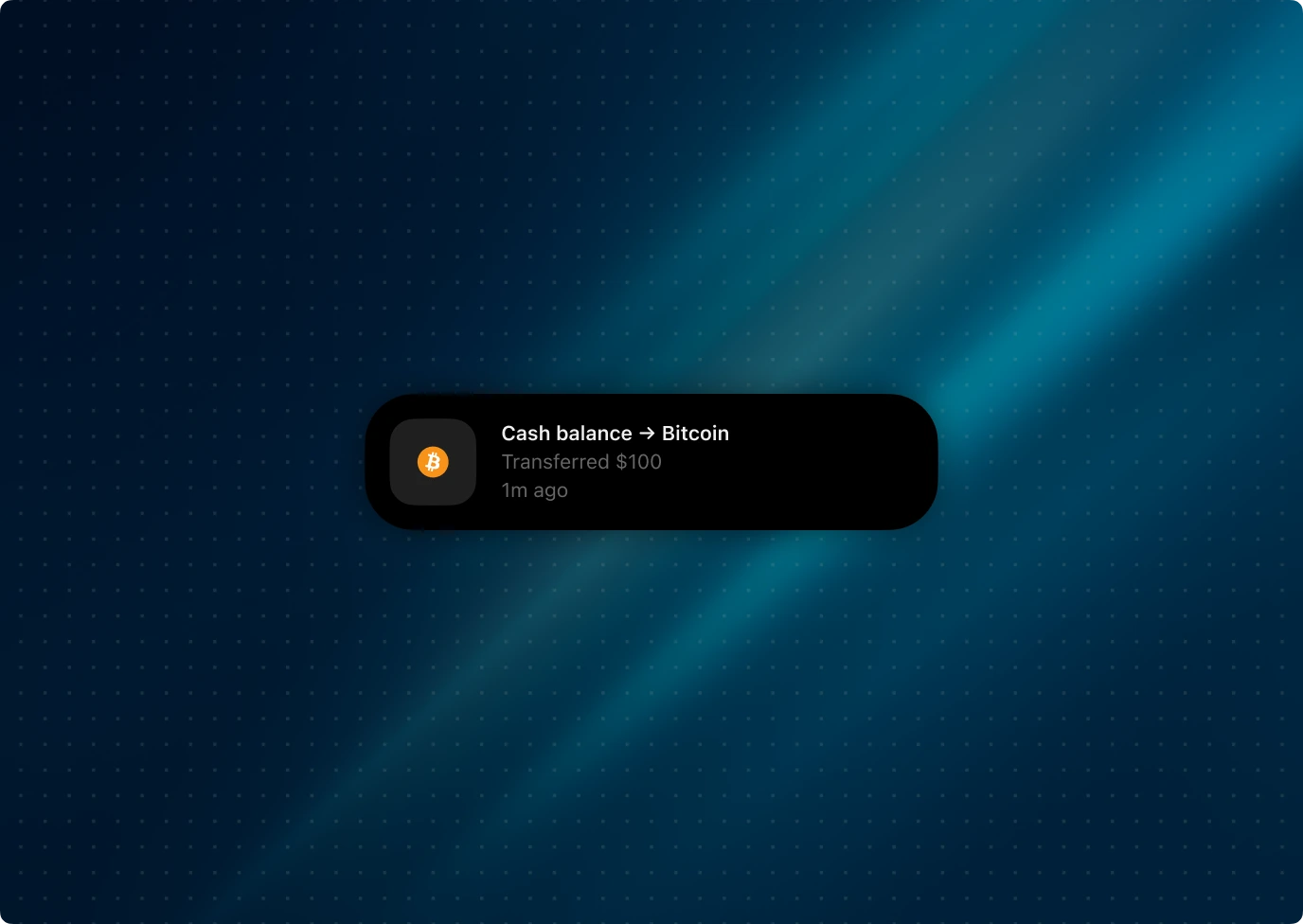
Because Global Accounts run on Spark, users can hold Bitcoin alongside dollars and swap instantly from the account attached to their social identity.
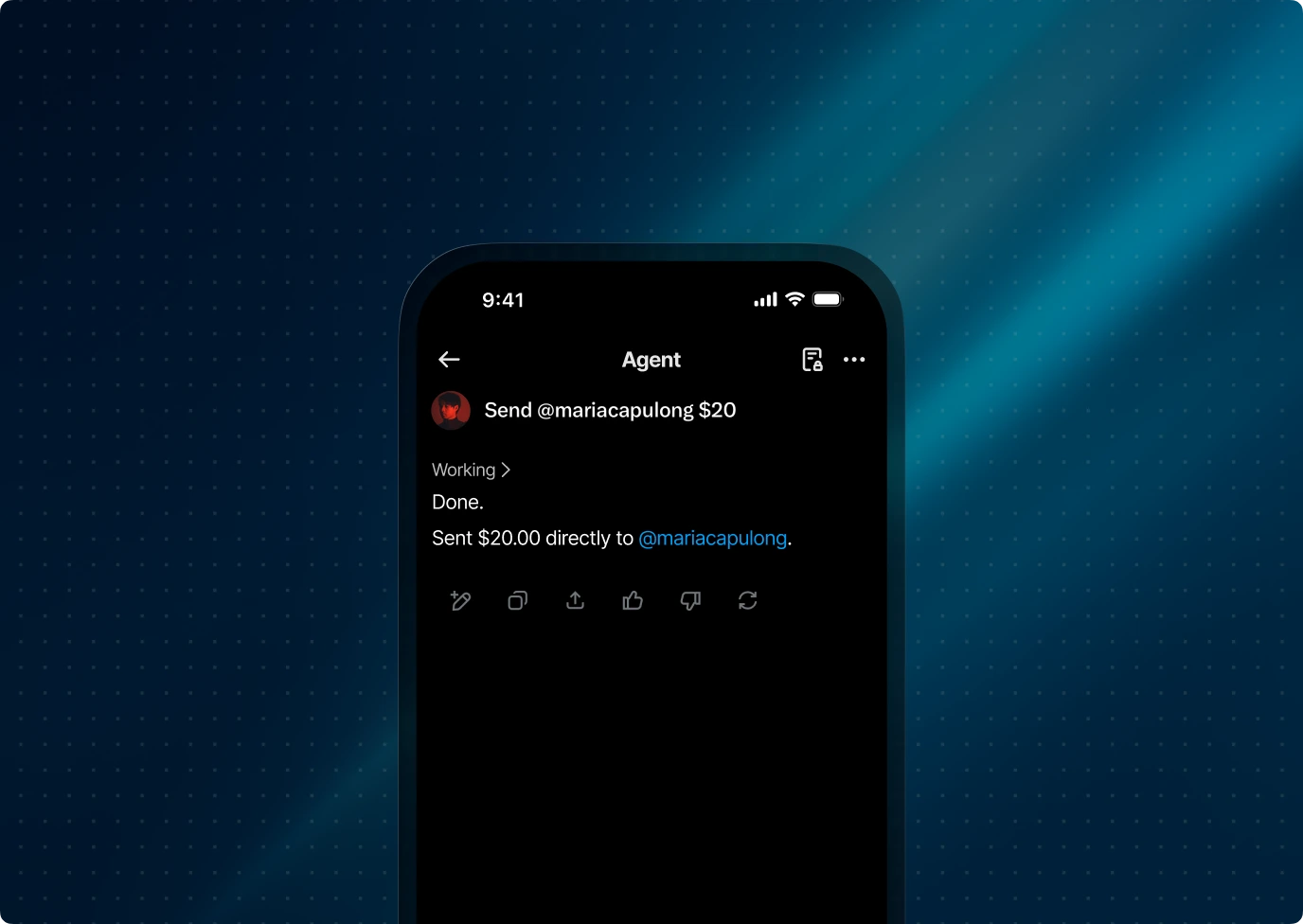
Give agents narrow budgets, approved rails, payee controls, and approval thresholds so they can help manage campaigns, commerce, and fan operations without holding the keys.
The economics
Monetization balances can stay useful. You own the economics.
Most social platforms still treat monetization as a handoff. The platform creates the audience, earns the transaction or take rate, and pays fees to move money out. Every balance that leaves becomes wallet share, card spend, FX, and account engagement for someone else.
Accounts change that. Balances can generate reserve rewards. Cards generate interchange. Foreign exchange carries margin. Bitcoin trading carries spread. Fan commerce, paid communities, rewards, subscriptions, and social shopping become account behaviors inside the platform instead of reasons to leave it.
The stronger the identity graph, the more natural it is for the money to stay close to it. Users come for audience and belonging. The account gives them a reason to manage the economics there too.
Security & compliance
Ship the account. Not the bank behind it.
Shipping account balances inside a social platform used to mean shipping the regulated machinery underneath: money transmission, KYC, KYB, sanctions screening, custody, dispute handling, security review, and partner operations. Most teams looked at that list and kept financial products at the edge of the experience. Global Accounts carries that side of the equation so your team does not have to.
The accounts themselves are self-custodial and built on Spark. Neither Lightspark nor the social platform can unilaterally move user funds. That makes the policy and approval model real, with boundaries enforced by architecture instead of trust.
Outbound movement requires the account owner to authorize from their wallet. The platform can design the flow, limits, and approvals, but the user stays in the loop when funds leave.
Global Accounts are built on Spark wallets, so account control is enforced at the wallet layer. Neither Lightspark nor the social platform can unilaterally move user funds.
Lightspark Payments is registered with FinCEN as a money services business and holds money transmission licenses or registrations where required for Grid Transaction Services, with banking and payment partners behind the regulated rails.
Lightspark handles the operational work social platforms do not want to rebuild: identity checks, business verification, sanctions screening, risk review, and the compliance requirements attached to supported corridors.
The infrastructure is backed by Lightspark's security program, audited under SOC 2 Type II with NIST CSF–aligned controls, so teams can evaluate the account layer like enterprise financial infrastructure.
You own the brand, UX, account rules, approval flows, and user experience. Lightspark powers the account and regulated movement underneath.
Standard API objects and webhooks keep funding, withdrawals, card activity, quotes, and settlement status visible to your team instead of hiding social money movement in a black box.
Integration
One integration. Live in weeks, not years.
This is not a multi-year banking build. Your team starts with one API, a sandbox, and the normal objects you would expect: customers, accounts, quotes, transactions, and webhooks. Create the social customer, fetch the Global Account, fund it in sandbox, and test the full request shape before production money moves.
The hard parts are already packaged: account provisioning, supported rails, wallet authorization, simulated funding, webhook events, and signed withdrawals. The docs give your team the implementation path: OpenAPI, copyable examples, sandbox test credentials, Postman collections, and AI-readable pages.
Agentic money
Social money is becoming agentic. The account needs to keep up.
Social platforms already use software to recommend audiences, manage campaigns, schedule posts, run shops, route moderation, and coordinate community work. Agents will make those workflows more active. They will propose boosts, prepare fan rewards, manage merch drops, pay collaborators, and reconcile campaign spend.
The risk is not that agents help users operate. The risk is letting an agent touch money without policy boundaries, approval flows, or an audit trail. The account is what makes that safe.
The agent gets a pocket, not the keys. Policy decides what is allowed, the account enforces it, and the user stays in control.
Closing
Social platforms build identity. Now help users operate its value.
Users build reputation, audience, and belonging inside your product. The next product layer is helping them manage the money created by that graph: holding monetization balances, spending by card, cashing out locally, moving across global rails, running fan commerce, and delegating routine operations without giving up control.
That only works if the account lives close to identity. Not as a payout destination. As the financial layer around the social graph.
Your platform already creates the audience. Give users an account worth staying for.
Your brand. Your economics. One integration.
The problem
Social platforms create the graph. Then money leaves the product.
Social platforms own some of the internet's most valuable context: identity, audience, reputation, communities, fan relationships, commerce intent, and cultural momentum. Monetization grows out of that context. Subscriptions, tips, ads, affiliate revenue, rewards, livestream commerce, paid communities, and fan purchases all work because the social graph makes them credible and discoverable.
Then the money exits. A processor moves the payout. A bank or wallet holds the balance. A card issuer monetizes spend. An FX provider takes the spread. The platform created the earning environment, but the durable financial relationship lands somewhere else.